Home » Zirconium Crowns
A zirconium crown is a metal-free dental restoration made from zirconia, a high-strength ceramic used to rebuild damaged, weakened or heavily restored teeth.
The material combines structural strength with a clean tooth-coloured appearance. Because there is no metal framework underneath, zirconium crowns avoid the dark line that can sometimes become visible around older porcelain-fused-to-metal restorations as the gum changes over time.
Zirconia is particularly useful where chewing forces are high, where a dark underlying tooth needs to be masked, or where a longer restoration needs more support. The final choice still depends on tooth position, bite, colour, available tooth structure and the aesthetic demands of the case.
Zirconia tolerates strong chewing forces and is commonly selected for posterior teeth, bridges and demanding bite situations.
There is no metal substructure beneath the ceramic, helping avoid a dark metallic margin at the gum line.
The final design can be selected for strength, masking ability or a more aesthetic layered finish depending on the tooth.
Both are zirconium-based restorations, but they are built differently and suit different priorities.
|
|
Monolithic zirconia
|
Layered zirconia
|
|---|---|---|
|
Construction
|
Milled from one solid zirconia block
|
Zirconia framework with aesthetic ceramic layered over the surface
|
|
Strength
|
Highest — no porcelain layer to chip
|
Strong core, with a more delicate outer ceramic layer
|
|
Appearance
|
Clean and consistent, but generally more opaque
|
More depth, translucency and surface character
|
|
Best suited to
|
Back teeth, heavy bites, grinding and high-load situations
|
Visible teeth where appearance carries more weight
|
A low-cost monolithic crown and a carefully layered anterior zirconium crown are not the same restoration simply because both are called “zirconium”. Ask which construction is being proposed and why it suits that tooth.
The right material depends on what the tooth needs to do. Strength, masking and light behaviour pull the decision in different directions.
|
|
Zirconium
|
E-max
|
|---|---|---|
|
Strength
|
Highest in routine ceramic dentistry
|
High, but better suited to lower-load positions
|
|
Light behaviour
|
More opaque
|
More translucent and enamel-like
|
|
Masking dark teeth
|
Excellent
|
More limited
|
|
Best zone
|
Posterior teeth, bridges and high-load areas
|
Visible front teeth where natural translucency is the priority
|
|
Grinding
|
Generally more tolerant
|
Requires careful case selection and bite control
|
|
Read more
|
This page
|
E-Max Crowns →
|
If a healthy front tooth only needs a subtle aesthetic change, covering the entire tooth with zirconium may remove more tooth structure than necessary. Material choice starts with the condition of the tooth, not with the strongest option on the menu.
A zirconium crown case follows a controlled sequence so tooth preparation, material choice, appearance and bite are checked before final placement.
The tooth, root, gums, existing restorations, bite and available tooth structure are reviewed before preparation begins.
The clinician decides whether zirconium is appropriate and whether a monolithic or layered design better suits the position and aesthetic goal.
The tooth is shaped in a controlled way to create the space and support required for the planned restoration.
The prepared tooth, neighbouring teeth and bite are recorded so the laboratory can produce an accurately fitting restoration.
A temporary restoration may protect the prepared tooth while the final crown is being produced.
The crown is checked for fit, shade, shape, gum margin and overall appearance before permanent placement.
Contacts are checked so the restoration does not carry forces it was not designed to take.
Once the clinical and aesthetic checks are complete, the crown is permanently placed and aftercare guidance is provided.
The word “zirconium” describes a material category rather than a single product. Different zirconia formulations and manufacturers offer different combinations of strength, translucency and indication.
Zirconium is a durable restorative material, but longevity still depends on the tooth underneath, the bite and ongoing maintenance.
A typical zirconium crown journey for an international patient. Exact timings depend on the number of restorations and your individual case.
|
Stage
|
What happens
|
|---|---|
|
Before travel
|
Online consultation, photographs or scans reviewed, written treatment plan and quote, travel coordinated.
|
|
Day 1
|
Clinical examination, shade selection, material decision and preparation planning.
|
|
Preparation
|
Teeth prepared where needed, scans or impressions taken, temporary crowns fitted if required.
|
|
Lab stage
|
Zirconium restorations are designed and produced according to the approved plan.
|
|
Try-in
|
Shape, shade, fit, gum margins and bite are reviewed before final placement.
|
|
Final placement
|
Crowns permanently placed, bite rechecked and aftercare instructions provided.
|
[Clinic to confirm its normal laboratory turnaround and typical total stay before publication.]
Final cost depends on the number of teeth, preparation requirements, material specification and any additional treatment needed before the crowns are placed.
|
Treatment
|
Dentoper Antalya
|
|---|---|
|
Zirconium crown — per tooth
|
[to be supplied]
|
|
6 upper front teeth
|
[to be supplied]
|
|
8 upper front teeth
|
[to be supplied]
|
|
Full smile case
|
[to be supplied]
|
|
Core buildup, if required
|
[to be supplied]
|
|
Night guard, if indicated
|
[to be supplied]
|
State clearly what the quoted figure includes: preparation, temporary restoration where required, laboratory work, try-in, final placement and adjustments.
Zirconium is commonly selected for teeth that need high strength, strong masking or support under heavier chewing forces. It is frequently used on posterior teeth, bridges and structurally weakened teeth. Front teeth may also be treated with zirconium where masking or strength outweighs the need for maximum translucency.
In everyday dental marketing the terms are often used interchangeably. The restorative ceramic itself is zirconium dioxide, commonly referred to as zirconia.
Neither is universally better. Zirconium generally provides greater strength and masking, while E-max provides more natural translucency. The position and condition of the tooth determine which is more appropriate.
Longevity depends on preparation quality, gum health, bite forces, grinding and maintenance. A well-planned crown can function for many years, but no restoration should be presented as permanent for life.
They can. Modern layered and more translucent zirconia systems can produce very natural results. Highly opaque monolithic zirconia is usually better suited to situations where strength or masking matters more than maximum light transmission.
Yes, particularly where a dark underlying tooth needs masking or greater strength is required. Where natural enamel-like translucency is the main priority, E-max may be considered instead.
Zirconia is harder than natural enamel, so bite adjustment and polishing matter. In patients with heavy grinding, a protective night guard may also be recommended.
Your aftercare process should explain who to contact, what the guarantee covers and how the clinic handles reviews, adjustments or replacement where clinically required. [Clinic to insert its confirmed protocol.]
Every case below should be published with the patient’s written consent.
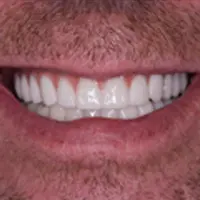
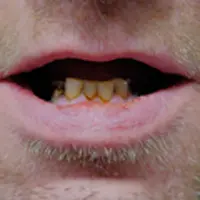
Zirconium Crown Smile Makeover · Treatment details to be confirmed
Smile Restoration · Case details to be confirmed
Zirconium Restoration · Case details to be confirmed
Guide
How crown treatment works, when full coverage is appropriate and how material choice is made.
Compare
See where E-max differs from zirconium in translucency, masking ability, strength and indication.
Alternative
For structurally healthy front teeth where the aim is aesthetic refinement with less tooth preparation.
The choice between zirconium, E-max, veneers or another restorative option should be based on the tooth condition, bite and aesthetic requirements rather than a package name. A clinical assessment and imaging are the correct starting point.