A custom crown plan for weakened teeth
A dental crown protects remaining tooth structure, distributes chewing forces safely, and restores a natural-looking tooth shape.
Think of a crown as a cap that covers the whole visible tooth rather than filling part of it. Where a large filling leaves thin walls of tooth that can fracture under load, a crown wraps the tooth and takes the force across the whole structure. That is why crowns are used on teeth that are cracked, heavily restored, or have had root canal treatment — the tooth is still there, it just cannot carry the load on its own any more.
Restoring your smile with dental crowns has become more accessible, thanks to the growing popularity of dental tourism in Turkey — but the outcome still depends on planning rather than on price.
What defines a dental crown plan
Remaining tooth structure, root health, bite behaviour, shade goals and chewing load are reviewed together before treatment starts.
Tooth support
A crown can reinforce weakened tooth structure and reduce fracture risk.
Material selection
E-max, zirconium or ceramic options are chosen according to tooth position and need.
Bite balance
Contacts are adjusted so the crown works comfortably over time.
Choosing the material
There is no single best crown material — the right one depends on where the tooth sits, how much load it carries, and what has to be masked underneath.
| E-max | Zirconium | Ceramic | |
|---|---|---|---|
| Best for | Front teeth where natural light behaviour matters most | Back teeth and areas needing strength or masking of dark underlying teeth | Aesthetic restorations where the case allows |
| Strength | High, suited to lower-load positions | Highest — designed for chewing load | Depends on the specific ceramic system used |
| Appearance | Excellent translucency, closest to natural enamel | Very good, and opaque enough to hide discolouration beneath | Good, varies by system |
| Read more | E-Max Crowns → | Zirconium Crown → | All treatments → |
[Clinic to add the specific ceramic systems and brands used, and the guarantee attached to each. A named system means any dentist anywhere can identify and service the work later — which is exactly the reassurance an overseas patient is looking for.]
Crown planning: standard or advanced
Two broad routes, chosen from the condition of the tooth rather than from a menu.
| Standard plan | Advanced plan | |
|---|---|---|
| Tooth condition | Conservative option for minor changes | Full coverage crown for weak teeth |
| Material | E-max for natural light behaviour | Zirconium for masking and strength |
| Zone | Front aesthetics | Back tooth chewing strength |
| Bite | Simpler low-load plan | Stronger high-load design |
| Decision point | When tooth structure can be preserved | When stronger support is needed |
When dental crowns are the right choice
Good candidates
- Cracked, worn or heavily filled teeth
- Teeth needing protection after root canal treatment
- Cases requiring both chewing function and aesthetic restoration
- Teeth where a large filling has left thin, fracture-prone walls
Needs review first
- Minor aesthetic issues better suited to laminate veneers
- Unresolved gum or root issues requiring prior management
- High grinding load without any protection planning
A crown is not always the right answer
If the change you want is purely cosmetic and the tooth underneath is sound, a veneer removes far less tooth structure than a crown does. We will say so — recommending the more conservative treatment is not a downgrade, it is the correct clinical call.
Patient Case
James — crowns designed around bite comfort
The treatment followed four stages:
- Tooth structure review
- Shade and material selection
- Controlled preparation and impression
- Try-in and final crown placement
Outcome
James received stronger, cleaner-looking crowns designed around bite comfort and natural smile balance.
[Before launch: confirm whether this is a real patient with written consent on file, or an illustrative composite. If illustrative, it must be labelled as such on the page.]
Longevity and clear expectations
A crown is strong, but gum health, margin fit, bite balance and maintenance decide how well it lasts.
- Grinding may require a night guard. A crown placed into an unprotected heavy grinding bite is being set up to fail — the guard is part of the treatment, not an upsell.
- Gum inflammation can affect margins and appearance. The join between crown and tooth sits at the gum line, so gum health directly determines how the crown looks and holds up.
- Very weak teeth may need buildup or additional preparation first. This is identified at examination, not discovered mid-treatment.
- Regular reviews protect comfort and longevity. Bite contacts shift over time, and small adjustments prevent larger problems.
- Preparation is irreversible. Fitting a crown means reshaping the tooth beneath it. That is why a veneer is preferred when the case allows.
Patient timeline
A typical crown journey for an international patient. Exact durations depend on your case and are confirmed in your written plan.
| Stage | What happens |
|---|---|
| Before travel | Online consultation, photos and X-ray review, material discussion, written plan and quote, travel coordinated. |
| Day 1 | Examination, shade and material selection, controlled preparation, impressions or digital scans, temporary crowns fitted. |
| Lab stage [X days] | Crowns are produced. [Clinic to state whether the lab is in-house — same-day production is a genuine advantage and shortens this stage.] |
| Try-in | Shade, shape, fit and bite checked, adjustments made before final placement. |
| Final placement | Crown permanently cemented, bite balanced, care guidance given. |
| Total stay [X days] | [Clinic to confirm the typical number of days for a crown case.] |
What dental crowns cost in Turkey
Dental treatment in Turkey offers up to 70% savings compared with Europe and the USA while providing world-class quality. What you pay depends on the material and the number of teeth.
| Treatment | Typical UK price | Dentoper Antalya |
|---|---|---|
| E-max crown (per tooth) | [to be supplied] | [to be supplied] |
| Zirconium crown (per tooth) | [to be supplied] | [to be supplied] |
| Ceramic crown (per tooth) | [to be supplied] | [to be supplied] |
| Core buildup, if needed | [to be supplied] | [to be supplied] |
| Night guard | [to be supplied] | [to be supplied] |
Say clearly what the per-crown figure includes — preparation, temporary crown, try-in, final placement and adjustments — and whether hotel and transfers sit inside or outside the quote.
Frequently asked questions
What is the difference between a crown and a veneer?
A veneer covers the front surface of a tooth and is used mainly for appearance. A crown covers the whole tooth and is used when the tooth needs structural protection as well. A crown requires more preparation of the natural tooth, which is why a veneer is preferred where the tooth underneath is sound.
Should I choose E-max or zirconium?
E-max is usually chosen when natural translucency is the priority, especially for visible front teeth. Zirconium is preferred where strength or masking matters more. The right choice depends on tooth position, bite load and what sits underneath the restoration.
How long do dental crowns last?
Crown longevity depends on material choice, gum health, bite forces, grinding and maintenance. Well-planned crowns can last many years, but no restoration is maintenance-free.
Is getting a crown painful?
The tooth is prepared under local anaesthetic, so you should not feel pain during the procedure. Some temporary sensitivity can occur afterwards, particularly while the tooth settles.
Do I need a crown after root canal treatment?
Often, yes — especially on back teeth. Root canal treated teeth can become more brittle, so a crown is commonly used to protect the remaining structure from fracture. The exact need depends on how much healthy tooth remains.
Can crowns be matched to my other teeth?
Yes. Shade, translucency, shape and surface texture are planned to blend with your existing teeth. Material choice matters here, particularly when the crown sits in the visible smile zone.
I grind my teeth. Can I still have crowns?
Usually, yes, but grinding has to be managed. A night guard may be recommended to protect the crowns and reduce overload on the teeth and jaw joints.
What happens if a crown comes loose once I am home?
Aftercare support continues once you return home, with your coordinator as the point of contact. [Clinic to specify what the guarantee covers and what happens if a crown needs to be recemented or remade.]
Crown results
Every case below is published with the patient’s written consent.
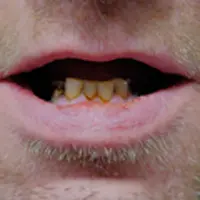
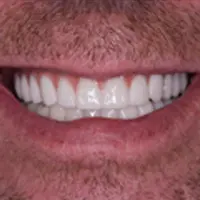
Zirconium Crown Smile Makeover 20 Crowns · 2 Clinic Visits · Completed in 6 Days
Laminate Veneers · 16 Veneers · 2 Clinic Visits · Completed in 5 Days
Full-Arch Implant Treatment · All-on-6 · Treatment Completed in 2 Stages