Home » Hollywood Smile
A Hollywood Smile is not one single dental procedure. It is a smile-design plan that combines the treatments needed to change colour, shape, proportion, alignment and overall smile balance.
For one person that may mean six or eight laminate veneers. For another it may involve crowns on structurally weakened teeth, whitening on untreated teeth, gum contouring, replacement of old restorations or a combination of different materials across the smile.
The correct starting point is therefore not “how many veneers do I need?” but “what does each visible tooth actually need?” A natural result is built tooth by tooth rather than by applying the same treatment to every tooth.
A successful smile design should still belong to the face. Tooth length, width, edge shape, colour, translucency, gum display and lip movement all matter more than simply choosing the brightest shade.
A useful treatment plan should answer these decisions clearly before tooth preparation begins.
|
The decision
|
What needs to be clear
|
|---|---|
|
Which teeth are actually being treated?
|
The plan should identify the visible smile line and explain why each included tooth needs treatment.
|
|
Veneer or crown?
|
Healthy teeth should not automatically receive full crowns when a more conservative veneer could achieve the aesthetic goal.
|
|
Which material?
|
E-max, zirconium, laminate porcelain and composite behave differently. Material should follow the tooth and the bite.
|
|
How white?
|
Shade should be selected around the face, skin tone, remaining natural teeth and the amount of light the chosen ceramic transmits.
|
|
What shape?
|
Width, length, incisal edge design and symmetry should suit the patient’s face rather than reproduce one generic smile.
|
|
How much tooth preparation?
|
The patient should know how much natural tooth will be removed and why before anything is prepared.
|
|
How will the bite be protected?
|
Grinding, clenching and heavy contact points must be identified before final restorations are placed.
|
The front six teeth may use a highly aesthetic ceramic while stronger material is selected further back. Untreated healthy teeth may only need whitening. Consistency of appearance does not require identical treatment everywhere.
Smile makeovers have a bad reputation when the treatment starts with a package rather than with the condition of the teeth.
The most criticised results tend to share the same pattern: too many teeth treated, unnecessary crown preparation on healthy teeth, one bright opaque shade used across the whole smile, and insufficient attention to gum health or bite.
None of those problems are inherent to cosmetic dentistry. They are planning failures. The protection against them is simple: establish what each tooth needs before choosing a material, number of teeth or package size.
If six visible teeth need treatment, treating twenty does not make the result more premium. If a healthy tooth only needs a veneer, preparing it for a full crown is not an upgrade. A good smile design removes no more healthy tooth structure than the case actually requires.
The visible result may look consistent even when different teeth are treated differently underneath.
|
|
Laminate veneer
|
Crown
|
|---|---|---|
|
Coverage
|
Front surface of the tooth
|
The whole tooth
|
|
Preparation
|
Minimal and conservative
|
More substantial preparation around the tooth
|
|
Used when
|
Tooth is structurally healthy and the goal is mainly aesthetic
|
Tooth also needs structural protection
|
|
Typical reasons
|
Colour, shape, small gaps and minor alignment concerns
|
Cracks, large fillings, severe wear or root-treated teeth
|
|
Priority
|
Preserve natural tooth structure
|
Restore strength as well as appearance
|
A single Hollywood Smile case may therefore use veneers on healthy visible teeth and crowns only where the tooth genuinely needs full coverage.
There is no universal number. The correct number is based on how many teeth are visible when you smile naturally and which of those teeth actually need treatment.
If a clinic recommends twenty restorations before evaluating your natural smile line, ask why. A treatment plan should explain the number tooth by tooth.
A predictable cosmetic result is built through a sequence of decisions rather than by choosing a shade and sending the case to a laboratory.
Face shape, lip movement, smile width, gum display and the existing proportions of the teeth are reviewed.
Each tooth is assessed for existing fillings, cracks, decay, root health, gum condition and structural strength.
Tooth width, length, edge position and symmetry are planned around the patient’s face rather than a standard template.
Veneers, crowns, whitening, gum treatment or combinations are selected according to what each tooth actually requires.
Brightness is balanced against skin tone, remaining natural teeth, ceramic translucency and the patient’s preference.
Only the teeth requiring restorative treatment are prepared, with the amount determined by the material and condition of the tooth.
Shape, shade, smile balance and fit are reviewed before anything is permanently bonded or cemented.
The new restorations are checked under function so no tooth carries excessive force.
Aesthetic dentistry should not depend on discovering the final tooth shape after the crowns or veneers return from the laboratory. The proportions, treatment type and intended result should already have been agreed.
A typical non-surgical smile-design journey for an international patient. Exact timing depends on the number and type of restorations.
|
Stage
|
What happens
|
|---|---|
|
Before travel
|
Photos and imaging reviewed, treatment scope discussed, written plan and quote prepared.
|
|
Day 1
|
Clinical examination, smile analysis, shade planning and final confirmation of which teeth need which treatment.
|
|
Preparation
|
Teeth requiring veneers or crowns are prepared, digital scans taken and temporary restorations fitted where necessary.
|
|
Laboratory stage
|
Final restorations are produced according to the agreed smile design.
|
|
Try-in
|
Shape, colour, proportions and smile balance are checked before permanent placement.
|
|
Final placement
|
Restorations bonded or cemented, bite checked and aftercare instructions provided.
|
[Clinic to confirm the normal number of days and laboratory turnaround before publication.]
There is no single Hollywood Smile price because it is not one treatment. Cost depends on the number of teeth and whether each tooth needs a veneer, crown, whitening or another procedure.
|
Treatment
|
Typical scope
|
Dentoper Antalya
|
|---|---|---|
|
Laminate veneer
|
Per tooth
|
[to be supplied]
|
|
E-max crown
|
Per tooth
|
[to be supplied]
|
|
Zirconium crown
|
Per tooth
|
[to be supplied]
|
|
6-tooth smile design
|
Upper visible teeth
|
[to be supplied]
|
|
8-tooth smile design
|
Upper visible teeth
|
[to be supplied]
|
|
10-tooth smile design
|
Broader upper smile
|
[to be supplied]
|
A final quote should list the exact treatment planned for each tooth rather than presenting one undifferentiated package price.
Every case below should be published with the patient’s written consent.
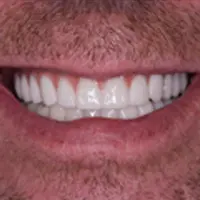
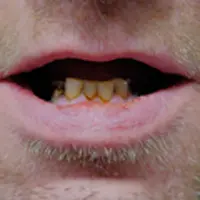
Smile Makeover · Case details to be confirmed
Combined Veneers & Crowns · Case details to be confirmed
Hollywood Smile · Treatment details to be confirmed
A Hollywood Smile is a treatment plan rather than a single procedure. Depending on the case it may include laminate veneers, E-max or zirconium crowns, whitening, gum contouring, replacement of old restorations or combinations of these treatments.
The number depends on the patient’s visible smile line. Many cases involve 6–10 upper teeth, but wider smiles may require more. Treating 16 or 20 teeth should have a clear clinical and aesthetic reason rather than simply being a standard package.
No. Healthy teeth may be suitable for laminate veneers or even no restorative treatment at all. Crowns are more appropriate where teeth also need structural protection.
Yes. Natural results depend on restrained shade selection, appropriate translucency, face-matched proportions, individual tooth character and correct gum and bite planning.
Shade can be selected according to preference, but maximum brightness is not automatically the most natural choice. Skin tone, facial features, remaining natural teeth and ceramic type all influence the final appearance.
Non-surgical veneer and crown cases usually require preparation, a laboratory phase, try-in and final placement over several days. The exact stay depends on the number of teeth and the clinic’s laboratory workflow. [Clinic to confirm its normal timetable.]
Dental restorations are long-term treatments but should not be described as permanent for life. Veneers and crowns require maintenance and may eventually need repair or replacement.
Grinding must be included in the treatment plan. Material choice, bite adjustment and often a protective night guard are used to reduce the risk of chipping or overload.
CONSERVATIVE OPTION
For healthy front teeth where the main goal is colour, shape or proportion with minimal tooth preparation.
RESTORATIVE OPTION
See when a tooth needs full coverage for structural protection rather than purely cosmetic refinement.
MATERIAL CHOICE
Compare translucency, masking and strength when choosing ceramic restorations for the visible smile zone.
A treatment plan should start with the condition of your teeth, photographs and imaging — not with a fixed package. The number of teeth, type of restoration and material can then be decided individually.