What is All-on-4?
All-on-4 is a modern treatment method designed for a completely edentulous jaw, using only four dental implants to support a full arch of fixed teeth.
The four implants are positioned strategically rather than evenly — the two at the back are placed at an angle so they engage the denser bone toward the front of the jaw. That angling is the whole idea behind the technique: it makes use of the bone a patient still has, which often means avoiding the bone grafting that a conventional full-arch approach would require.
The result is a fixed bridge that stays in place. It is cleaned in the mouth rather than taken out at night, it does not move when you eat, and it does not rely on adhesive or suction against the palate — which is what most patients coming from dentures are actually trying to escape.
- Fewer implants than a conventional full arch, which usually means lower cost and less surgery.
- Often avoids bone grafting because the angled placement uses available bone.
- Fixed, not removable — no adhesive, no palate coverage, no taking teeth out.
- Faster route than staged extraction-and-heal protocols, since extractions and placement are typically done in the same session.
Not sure whether you need All-on-4 or All-on-6?
That decision is made from imaging, not from a photograph — it depends on how much bone you have and its quality. Send your panoramic X-ray through the free consultation and you will get a clear answer, including which option we would recommend and why.
All-on-4 or All-on-6?
Both are fixed full-arch solutions on implants. The difference is how many implants carry the bridge, and that choice is driven by your bone rather than by preference.
| All-on-4 | All-on-6 | |
|---|---|---|
| Implants per jaw | Four, with the rear pair angled | Six, spread more widely |
| Bone requirement | Lower — designed to work with reduced bone volume | Higher — needs sufficient bone in more positions |
| Load distribution | Concentrated across four points | Spread across six, reducing load per implant |
| Grafting | Often avoidable | More likely to be needed where bone is thin |
| Typical cost | [to be supplied] | [to be supplied] |
| Often preferred when | Bone volume is limited, or the priority is avoiding grafting | Bone allows it and additional implant support is wanted |
Neither is simply “better”. More implants are not automatically a better outcome if the bone cannot support them well — and four well-placed implants in good bone can outperform six placed in compromised sites.
Who All-on-4 Dental Implants in Turkey suits
Key considerations are reviewed before treatment moves forward.
Good candidates
- A fully edentulous upper or lower jaw, or teeth that are failing and need removing
- Long-term denture wearers who want a fixed alternative
- Reduced bone volume where a conventional full arch would need grafting
- Healthy gums, or gum disease that has been treated and stabilised
- Willing to maintain daily cleaning around a fixed bridge
- Able to travel for the visits the case requires
Needs review first
- Severe bone loss beyond what angled placement can compensate for
- Active, untreated gum or bone infection
- Smoking, which measurably raises the risk of implant failure
- Uncontrolled diabetes or other conditions that impair healing
- Medication affecting bone metabolism, such as bisphosphonates
- Heavy grinding or clenching, which loads a full-arch bridge hard
- Only some teeth missing — a smaller bridge or single implants may serve better
Appearing on the right does not rule out treatment. It means the case needs proper assessment first — and that assessment is part of the consultation.
Materials and implant systems
[To be supplied by the clinic: the implant system used for All-on-4, the material of the temporary bridge, the material of the final bridge, and the guarantee attached to each. Name the brands — for a patient comparing clinics across countries, a named system with a manufacturer guarantee is more persuasive than any adjective, and it means any dentist anywhere can service the work later.]
Risks and transparent guidance
All-on-4 is a well-documented technique with a long clinical track record. It is still major dental surgery, and there are things you should know before deciding.
- Temporary teeth are not the final teeth. The bridge fitted on surgery day is designed to get you through healing with function and appearance. The definitive bridge is made later and looks and performs differently.
- The healing diet is restrictive. Soft food for a defined period is not optional — loading the implants too hard or too early is a common cause of early failure.
- Implants can fail. Uncommon, but real. Risk rises with smoking, uncontrolled diabetes, infection and insufficient bone.
- Four implants carry the whole arch. That is the efficiency of the technique and also its constraint — losing one implant matters more than it would in a six-implant case.
- Maintenance is lifelong. The bridge does not decay, but the gum and bone around the implants can become inflamed.
- Speech and sensation change at first. Most patients adapt within weeks, but the adjustment period is real and worth expecting.
About “teeth in one trip”
[This page must state plainly whether the “one trip” in our marketing means a fixed TEMPORARY bridge on surgery day with the final bridge fitted at a second visit, or a definitive bridge completed in a single stay. Confirm the clinic’s actual protocol and make the main description, this page and the WhatsApp script agree.]
Patient timeline
A typical All-on-4 journey. Exact durations depend on your case and are confirmed in your written plan.
| Stage | What happens |
|---|---|
| Before travel | Online consultation, imaging review, All-on-4 vs All-on-6 decision, written plan and quote, travel coordinated. |
| Day 1 | Examination and imaging on arrival, treatment plan confirmed in person. |
| Surgery day | Extractions where needed, four implants placed under local anaesthetic, fixed temporary bridge fitted. |
| Visit 1 total [x days] | Post-operative checks and adjustments before you fly home. |
| Healing [x months] | Implants integrate with the bone. Soft-diet protocol, cleaning routine, remote review with your coordinator. |
| Visit 2 [x days] | Scans or impressions, try-in, and fitting of the definitive full arch bridge. |
| Aftercare | Structured aftercare guidance and ongoing support once you are home. |
[Replace every bracketed duration with the clinic’s actual protocol. How many days will I be there? decides flights and time off work — it is the question that converts an enquiry into a booking.]
What All-on-4 costs in Turkey
Dental treatment in Turkey offers up to 70% savings compared with Europe and the USA while providing world-class quality. What you pay depends on the implant system, the material of the final bridge, and whether one or both jaws are treated.
| Treatment | Typical UK price | Dentoper Antalya |
|---|---|---|
| All-on-4 — one jaw | [to be supplied] | [to be supplied] |
| All-on-4 — both jaws | [to be supplied] | [to be supplied] |
| Upgrade to zirconia bridge | [to be supplied] | [to be supplied] |
| Extractions, if needed | [to be supplied] | [to be supplied] |
State clearly that the quoted figure includes implants, temporary bridge, final bridge, extractions, imaging, and whether hotel and transfers are inside or outside the price.
Frequently asked questions
Will I leave the clinic with teeth on the day of surgery?
In a standard All-on-4 protocol a fixed temporary bridge is fitted on the day the implants are placed, so you do not go without teeth. The definitive bridge is made after the implants have integrated.
Do I need a bone graft for All-on-4?
Not always. One of the main advantages of All-on-4 is that the rear implants can be angled to make better use of available bone. Your scans determine whether grafting can safely be avoided.
Is All-on-4 painful?
The procedure is performed under anaesthesia. Some swelling, tenderness and discomfort are expected afterwards, particularly during the first few days, and are managed according to your post-operative plan.
What can I eat afterwards?
A soft-food diet is generally required during the initial healing period. This protects the implants while they integrate with the bone.
How do I clean a fixed full-arch bridge?
Daily cleaning is required around and underneath the bridge. Interdental brushes, specialist floss and/or a water flosser may form part of your routine depending on the bridge design.
How long does All-on-4 last?
Implant longevity depends on bone health, oral hygiene, smoking, bite forces and regular maintenance.
Can I have both jaws done at once?
In suitable cases, upper and lower full-arch treatment can be carried out within the same treatment programme.
What happens if something goes wrong once I am home?
Your written treatment plan should explain the clinic’s aftercare process, remote support, warranty conditions and what happens if additional clinical treatment becomes necessary.
All-on-4 results
Every case below is published with the patient’s written consent.
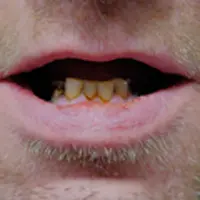
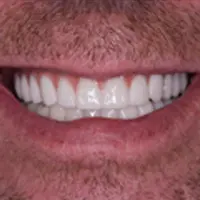
Zirconium Crown Smile Makeover 20 Crowns · 2 Clinic Visits · Completed in 6 Days
Laminate Veneers · 16 Veneers · 2 Clinic Visits · Completed in 5 Days
Full-Arch Implant Treatment · All-on-6 · Treatment Completed in 2 Stages