Home » Dental Implant
A dental implant is a small titanium post placed into the jawbone to take the place of a missing tooth root. Once the bone has healed around it, the implant carries a crown, a bridge or a full fixed arch — so the replacement tooth is anchored in bone rather than resting on the gum.
That is the practical difference between implants and dentures. A denture sits on top of the gum and has to be removed; an implant-supported tooth stays in place, is cleaned like a natural tooth, and transmits chewing force into the jaw. Because the bone is being loaded again, implants also slow the bone loss that normally follows tooth loss.
At Dentoper Antalya, implant cases are planned using digital diagnostics and structured planning before treatment begins, and the plan — scope, timeline and pricing — is set out in writing before you travel.
You do not need to decide before contacting us. Send your photos or a panoramic X-ray and a clinician will tell you what is clinically realistic — including when the honest answer is that implants are not the right route.
The right approach depends on how many teeth are missing and how much bone is available to support an implant.
One implant and one crown, replacing an individual missing tooth without touching the teeth either side of the gap.
A full fixed arch supported by four implants, angled to make use of the bone that is available. Designed for a completely edentulous jaw.
Six implants per jaw, spreading the load more widely. Often preferred where bone volume and quality allow for the additional support.
A procedure that replaces missing or damaged bone with grafting material, creating enough volume for implants to be placed safely.
Implants work well for most adults who have lost one or more teeth — but not for everyone, and not always immediately. Key considerations are reviewed before treatment moves forward.
Being in the right-hand column does not mean implants are ruled out. It means the case needs a proper assessment first, and that assessment is part of the free consultation — not an extra you pay for.
[To be supplied by the clinic: the implant systems used, the ceramic or zirconia used for the final restoration, and the guarantee attached to each. Name the brands. For a patient comparing clinics across countries, a named implant system with a manufacturer guarantee is more persuasive than any description of quality — and it lets any dentist anywhere service the work later, which is exactly what a nervous overseas patient wants to hear.]
Implant treatment is well established and predictable, but it is surgery, and no clinic can honestly promise a perfect outcome in every case. These are the things worth knowing before you decide.
We will not quote a full-arch case from a photograph alone, and we will not tell you implants are suitable when the assessment says otherwise. If your case needs treating in stages, or needs something other than implants, you will hear that at the consultation rather than after you have booked flights.
A typical two-visit implant journey. Exact durations depend on your case and are confirmed in your written plan.
|
Stage
|
What happens
|
|---|---|
|
Before travel
|
Online consultation, digital planning, written treatment plan and quote, appointment dates and travel coordinated.
|
|
Visit 1
[x days] |
Examination and imaging on arrival, any extractions or grafting, implant placement, temporary teeth where the case allows.
|
|
Healing
[x months] |
You return home. The implants integrate with the bone. Your coordinator stays in contact and reviews progress remotely.
|
|
Visit 2
[x days] |
Impressions or digital scans, try-in, and fitting of the final crowns or fixed arch.
|
|
Aftercare
|
Structured aftercare guidance, cleaning protocol, and ongoing support once you are home.
|
[Replace every bracketed duration with the clinic’s actual protocol. “How many days will I be there?” is the question that decides whether an enquiry becomes a booking — it determines flights and time off work.]
Dental treatment in Turkey offers up to 70% savings compared with Europe and the USA while providing world-class quality. What you pay depends on the number of implants, the system used, the final restoration material, and whether preparatory work is needed.
|
Treatment
|
Typical UK price
|
Dentoper Antalya
|
|---|---|---|
|
Single implant + crown
|
[to be supplied]
|
[to be supplied]
|
|
All-on-4 (per jaw)
|
[to be supplied]
|
[to be supplied]
|
|
All-on-6 (per jaw)
|
[to be supplied]
|
[to be supplied]
|
|
Bone graft
|
[to be supplied]
|
[to be supplied]
|
|
Sinus lift
|
[to be supplied]
|
[to be supplied]
|
Your exact figure is confirmed in writing after the free online consultation — before you book anything, not after you arrive.
The placement itself is done under local anaesthetic, so you should not feel pain during the procedure. Afterwards, most patients describe swelling and soreness for a few days, managed with ordinary painkillers. Your clinician will go through what to expect and what to take before you leave the clinic.
The implant itself is designed to be a permanent replacement for the tooth root, and with good hygiene and regular check-ups implants routinely last many years. The crown or bridge attached to it is a separate component and may need replacing sooner.
In most full-arch cases, yes — the implants need a healing period before the final restoration can be fitted, and that healing happens at home rather than in Antalya. Some cases can be completed differently. Your written plan states exactly how many visits your case needs before you book anything.
Insufficient bone is common after teeth have been missing for a while, and it does not usually rule implants out. A bone graft or sinus lift builds up the site so implants can be placed safely. This is identified during digital planning, before travel, and is included in your quote rather than added later.
Smoking measurably increases the risk of implant failure because it impairs healing in the gum and bone. It is not an automatic exclusion, but it changes the risk conversation, and we will be straightforward with you about it.
Aftercare support continues once you return home, with your coordinator as the point of contact. The clinic should specify what is covered, for how long, whether remote review is offered, and what happens if a patient needs to be seen in person.
Send your photos, and a panoramic X-ray if you have one, through the free online consultation. There is no cost and no obligation — you get a written assessment and a quote, and you decide from there.
Every case below is published with the patient’s written consent.
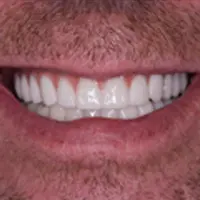
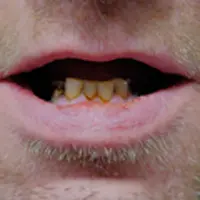
Zirconium Crown Smile Makeover 20 Crowns · 2 Clinic Visits · Completed in 6 Days
Laminate Veneers · 16 Veneers · 2 Clinic Visits · Completed in 5 Days
Full-Arch Implant Treatment · All-on-6 · Treatment Completed in 2 Stages